

The Silent Revolution: Why Hemp Insulation is Redefining Home Acoustics
In the modern architectural landscape, noise is often described as the invisible pollutant. As our cities grow denser and our homes transition toward open-concept designs with hard surfaces, the need for effective acoustic management has never been more pressing. Traditionally, soundproofing was an afterthought, relegated to specialized studios or luxury builds using synthetic materials. However, a quiet revolution is taking place inside our walls. Hemp insulation, once a niche product for eco-purists, is emerging as a premier solution for homeowners seeking both peace and planetary responsibility.. For more insights on Allen The Geek, explore the linked resource.
Choosing hemp effectively supports the transition to a greener economy by utilizing renewable agricultural products instead of energy-intensive synthetic materials.
The shift toward industrial hemp in the home improvement sector isn’t merely a trend driven by sustainability; it is a response to the inherent limitations of conventional materials. While fiberglass and mineral wool have dominated the market for decades, their acoustic performance and environmental footprint are increasingly being scrutinized under the lens of modern building science.
The Physics of Peace: Why Hemp Excels at Sound Absorption
To understand why hemp is changing the soundproofing game, one must look at the microscopic level. Soundproofing is generally achieved through two methods: mass and decoupling, or absorption. While heavy materials block sound, porous materials absorb it, preventing echoes and the transmission of high-frequency vibrations. Hemp fibers possess a unique cellular structure that is naturally adept at trapping sound waves.
Unlike the uniform, glass-like strands of traditional insulation, hemp fibers are irregular and hollow. This natural complexity creates a labyrinth for sound waves to navigate. As sound enters a hemp batt, the energy is converted into low-grade heat through friction within the dense, fibrous network. This results in an exceptionally high Sound Transmission Class (STC) rating, often surpassing synthetic counterparts of the same thickness.
The Advantage of Density and Porosity
Hemp insulation typically boasts a higher density than standard fiberglass batts. In the world of acoustics, density is a friend. A denser material provides more ‘mass’ to dampen vibrations, particularly in the mid-to-high frequency ranges—the exact frequencies of human speech, television noise, and barking dogs. Because hemp fibers are naturally resilient, they do not slump or settle over time, ensuring that the soundproofing integrity of a wall remains consistent for decades.
Beyond the Decibels: The Health and Safety Factor
For many years, the ‘cost’ of soundproofing a home involved more than just the price tag; it involved the handling of irritants and the potential for off-gassing. One of the most significant reasons hemp is gaining traction in the home improvement niche is its tactile and biological safety. Editorial observers in the green building space have noted a ‘wellness’ trend where homeowners prioritize materials that contribute to indoor air quality.
- No VOCs: Unlike some foam-based soundproofing materials, hemp does not release volatile organic compounds (VOCs) into the living space.
- Skin-Friendly Installation: Hemp batts can be handled without protective suits or respirators, as they do not contain the microscopic glass shards found in fiberglass.
- Vapor Permeability: Hemp is ‘breathable,’ meaning it helps regulate humidity. This prevents the buildup of mold and mildew within wall cavities, which can otherwise compromise both structural health and acoustic performance.
- Carbon Sequestration: Choosing hemp means opting for a material that absorbed more CO2 during its growth than was emitted during its processing, aligning with the circular economy goals of modern innovation.
The Market Shift: From Industrial Waste to Premium Solution
The rise of hemp insulation is a classic example of the ‘waste to wealth’ philosophy often discussed in sustainable innovation. For decades, the industrial hemp plant was underutilized due to regulatory hurdles. Today, as those barriers fall, the manufacturing sector is discovering that hemp stalks—formerly a byproduct—are actually a superior raw material for high-performance building products.
We are seeing a pattern where soundproofing is no longer treated as a luxury add-on but as a fundamental component of home wellness. In an era where the ‘home office’ has become a permanent fixture for millions, the ability to isolate noise is a productivity requirement. Contractors are increasingly reporting that clients are asking for hemp not just because it is ‘green,’ but because it provides a ‘quieter’ quality of life that synthetic materials struggle to match.
Overcoming the Niche Barrier
Historically, the primary obstacle for hemp insulation was availability and cost. However, as global supply chains for industrial hemp mature, the price gap is narrowing. The long-term value proposition—including energy savings from its thermal mass and the lack of replacement costs due to its durability—makes it a competitive choice for the savvy homeowner. When we analyze the total lifecycle of the product, hemp is no longer the ‘alternative’ choice; it is becoming the logical one.
Conclusion: A Greener, Quieter Future
The integration of hemp into our homes represents more than just a change in material; it represents a shift in how we view our living environments. We are moving away from a ‘disposable’ building mentality toward one of ‘sustainable innovation.’ By choosing hemp insulation, homeowners are effectively silencing the chaos of the outside world while contributing to a global economy that values natural resources and circularity.
As we look toward the future of home improvement, the trend is clear: the most effective solutions are often those that work in harmony with nature. Hemp insulation is finally giving us the tools to build homes that are not only energy-efficient and ecologically sound but are also sanctuaries of quiet in an increasingly loud world.
Related Posts
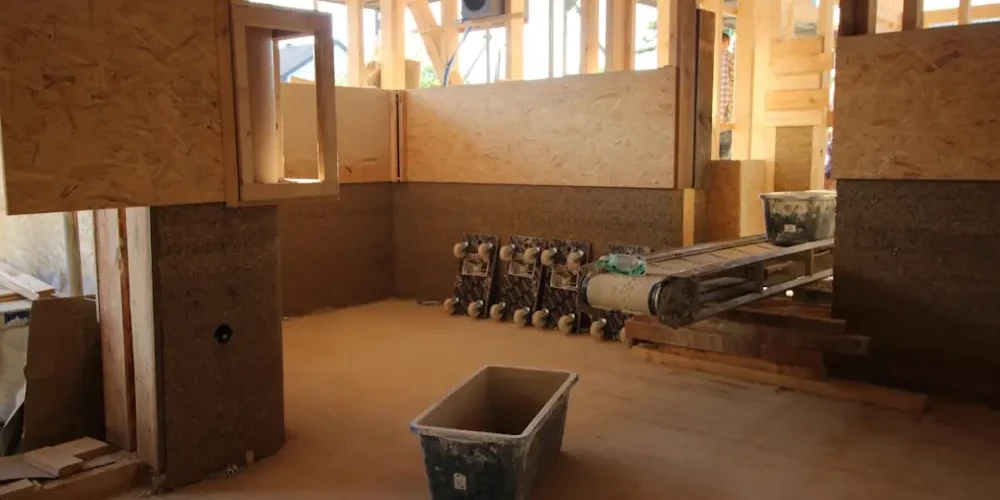
Why hemp is finally becoming the standard for accessory dwelling units
Explore why industrial hemp is becoming…
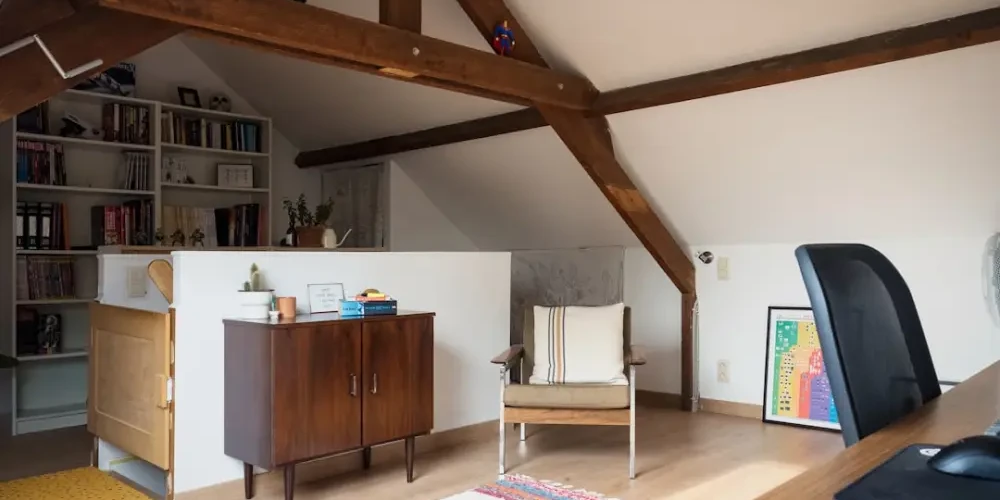
How an attic conversion can actually change the way a home breathes
Planning an attic conversion? Learn how…