
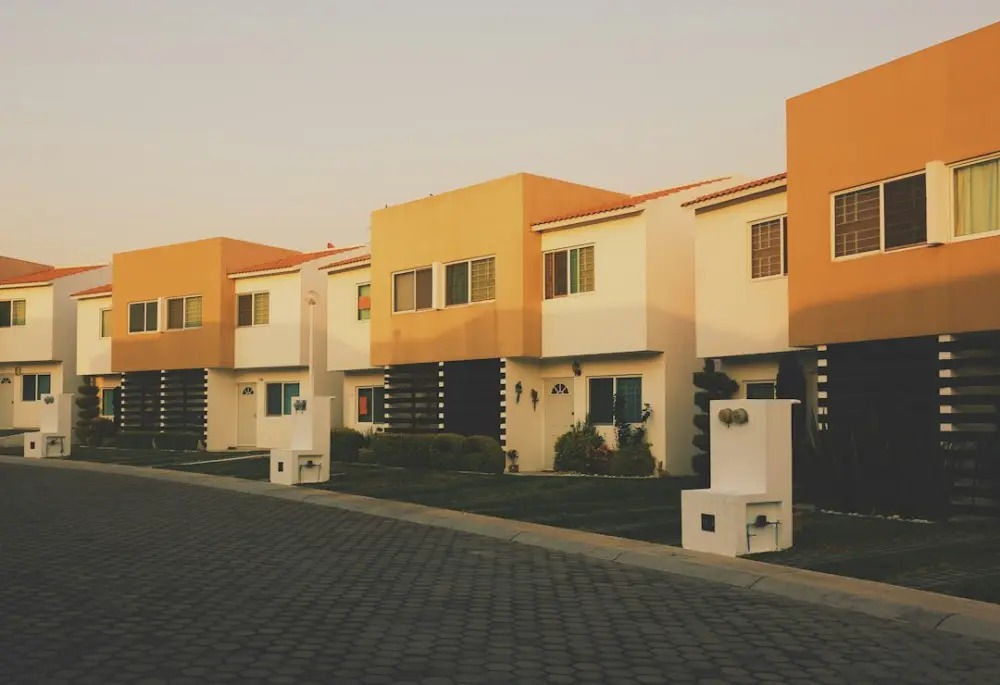
Articles in this Residential applications guide
Residential construction is undergoing a significant transition as homeowners and builders prioritize materials that offer more than just structural integrity. The focus has shifted toward building envelopes that manage moisture naturally, sequester carbon, and eliminate the off-gassing of volatile organic compounds (VOCs). Hemp-based materials, ranging from fibrous batts to hemp-lime masonry, have emerged as a primary solution for those seeking a circular approach to housing. Unlike conventional fiberglass or spray foam, hemp products are derived from renewable agricultural crops that absorb carbon dioxide during their growth phase, locking it into the walls of a home for decades.
Integrating these materials into modern residential projects requires an understanding of how they interact with heat, sound, and moisture. This guide explores the practical applications of hemp in various home environments, from the humidity-prone corners of a basement to the specialized requirements of accessory dwelling units (ADUs). By examining the technical properties and installation benefits of these materials, builders can create living spaces that are not only durable but also significantly healthier for the occupants.
The Shift Toward Circular Residential Construction
The traditional model of home building relies heavily on energy-intensive materials like Portland cement, synthetic insulation, and petroleum-based vapor barriers. While effective at creating a sealed environment, these materials often lead to "sick building syndrome" or structural degradation due to trapped moisture. Circular construction seeks to move away from this "take-make-waste" cycle by utilizing bio-based materials that can eventually return to the earth without toxicity.
Hemp is uniquely suited for this model. The plant consists of two primary components used in construction: the inner woody core, known as the hurd (or shives), and the outer bast fibers. When the hurd is mixed with a lime-based binder, it creates hempcrete, a carbon-negative masonry material that provides both insulation and thermal mass. The bast fibers, on the other hand, are processed into flexible insulation batts that serve as a direct, non-toxic replacement for mineral wool or fiberglass.
Adopting these materials in residential settings involves a rethinking of the wall assembly. Instead of trying to keep moisture out with plastic layers, hemp-based systems are vapor-permeable. This allows the building to "breathe," regulating indoor humidity levels naturally. In a modern context, this reduces the mechanical load on HVAC systems and creates a more stable indoor climate, which is the cornerstone of sustainable residential design.
Breathable Retrofitting: Enhancing Basements and Existing Structures
Basements are notoriously difficult to insulate and finish because they are prone to dampness and hydrostatic pressure. Conventional wisdom often suggests using closed-cell spray foam or rigid foam boards to create a moisture barrier. However, if water manages to get behind these synthetic layers, it becomes trapped against the organic wood framing, leading to rot and mold growth that remains hidden until the damage is extensive.
This is where the hygroscopic properties of hemp materials provide a distinct advantage. Because hempcrete and hemp fiber insulation can absorb and release moisture without losing their structural integrity or R-value, they act as a buffer. In a basement setting, finishing your basement with hemp actually allows the walls to manage the seasonal fluctuations in ground moisture. Instead of a stagnant, musty environment, the basement becomes a dry, habitable space where the air quality matches the rest of the home.
Concrete Example: The Historic Basement Retrofit
Consider a pre-war home with stone foundations. These walls were designed to be porous. Applying modern waterproof coatings often causes the stone to crumble over time because the moisture cannot escape. By using a hemp-lime plaster or a hempcrete interior lining, the homeowner preserves the original foundation. The hemp layer absorbs excess humidity from the air and the stone, slowly releasing it back when the environment dries out. This prevents the buildup of mold spores and protects the wooden joists above from moisture-related decay.
Furthermore, hemp insulation batts can be used in the ceiling joists of a basement to provide thermal separation from the main floor. Unlike fiberglass, which can sag and trap allergens if it becomes damp, hemp fibers are naturally resistant to pests and fungi, making them a safer choice for below-grade applications.
Scaling Sustainable Living with Hemp-Based ADUs
Accessory Dwelling Units (ADUs) have become a popular solution for urban densification, multi-generational living, and home offices. Because these structures are typically smaller than a primary residence, they provide an excellent opportunity to experiment with high-performance materials like hemp. The compact footprint of an ADU makes the cost of premium bio-based materials more manageable, and the speed of construction is often a primary concern for homeowners.
In many regions, hemp is finally becoming the standard for these small-scale builds due to the rise of prefabricated hemp-lime panels. Rather than casting hempcrete on-site, which can be weather-dependent and labor-intensive, builders can now order factory-cured panels that are delivered to the site and assembled in a matter of days. This modular approach ensures a consistent R-value and structural density while minimizing site waste.
Benefits for Small-Space Living
- Fire Resistance: Hempcrete is naturally fire-resistant (Class A rating), which is a critical safety feature for ADUs built in close proximity to existing structures or in wildfire-prone areas.
- Thermal Inertia: In a small space, temperature fluctuations can happen rapidly. The thermal mass of hemp-lime helps maintain a steady temperature, preventing the "hotbox" effect common in small, poorly insulated sheds or studios.
- Non-Toxic Environment: Since ADUs are often used as guest quarters or offices, maintaining high indoor air quality is paramount. Hemp materials do not contain formaldehyde or harmful flame retardants.
By utilizing hemp in an ADU, homeowners create a structure that is not only functional but also serves as a carbon sink, offsetting a portion of the carbon footprint of the primary residence.
Optimizing Residential Comfort: Acoustic and Thermal Performance
Comfort in a home is measured by more than just the temperature on the thermostat; it is also defined by the acoustic environment. Modern open-concept floor plans and the use of hard surfaces like hardwood and tile often lead to echo and sound transmission issues between rooms. Conventional insulation is often too light to effectively dampen low-frequency sounds, leading to noise complaints in multi-family housing or multi-story homes.
Research into bio-based materials shows that hemp insulation is finally changing how we approach residential acoustics. The unique cellular structure of the hemp fiber, combined with the varying densities achieved in hemp-lime mixtures, allows these materials to absorb a wide spectrum of sound frequencies. This makes hemp an ideal choice for media rooms, home offices, and bedrooms where privacy and quiet are essential.
Thermal Performance and the "Phase Shift"
While the R-value (thermal resistance) of hemp insulation is comparable to other high-quality batts (roughly R-3.5 to R-3.8 per inch), its real strength lies in its thermal mass and phase shift properties. Thermal mass refers to the material's ability to store heat energy. In the summer, a hempcrete wall will absorb the heat of the day, preventing it from entering the living space. At night, as the outside temperature drops, the wall slowly releases that stored heat. This creates a "phase shift" that flattens the energy demand curve of the home, often allowing residents to bypass the use of air conditioning during peak hours.
This dual action of acoustic dampening and thermal regulation makes hemp a superior choice for building envelopes in climates with high diurnal temperature swings (hot days and cool nights). It provides a level of passive comfort that synthetic materials simply cannot replicate.
Planning Your Residential Hemp Build: From Materials to Permitting
Transitioning to hemp materials requires more than just a change in sourcing; it requires a shift in the planning process. For homeowners and contractors interested in residential applications, the first step is understanding the local regulatory environment. In the United States, the inclusion of hemp-lime in the 2024 International Residential Code (IRC) under Appendix BA has been a landmark development. This provides a standardized pathway for building officials to approve hempcrete for one- and two-family dwellings, significantly reducing the hurdles for permitting.
Practical Steps for a Hemp-Based Project
1. Assemble the Right Team: Look for architects and engineers who are familiar with vapor-open assemblies. While hempcrete is not a load-bearing material (it requires a structural frame, usually timber), the design must account for the thickness of the walls—often 8 to 12 inches—to achieve the desired thermal performance.
2. Choose the Application Method: Depending on the project scale, you may choose between:
- Cast-in-Place: Best for custom shapes and monolithic airtightness. It involves mixing hurd and lime on-site and tamping it into forms.
- Spray-Applied: A faster method where the hemp and binder are projected onto the wall using specialized machinery.
- Hemp Blocks: Similar to traditional masonry, these are cured in a factory and laid with a thin-layer mortar, making them ideal for DIYers and standard contractors.
- Hemp Batts: A drop-in replacement for standard stud-bay insulation.
3. Source Quality Materials: Ensure that the hemp hurd is properly processed (cleaned and graded) for construction. The lime binder should be a natural hydraulic lime (NHL) or a formulated lime binder designed specifically for hempcrete to ensure proper setting and carbonation.
4. Manage Expectations on Drying Time: If using cast-in-place hempcrete, the walls require a drying period (usually several weeks) before finishes like lime plaster can be applied. Planning the construction schedule around the local climate is essential to ensure the material cures correctly.
Ultimately, the move toward hemp in residential construction is driven by a desire for longevity. A hemp-insulated home is a legacy building—one that resists pests, fire, and rot, while providing a sanctuary of clean air and quiet for its inhabitants. As the supply chain for industrial hemp continues to mature, these materials will move from niche applications to a cornerstone of the modern residential building site.
Further Reading on Hemp in Residential Construction
To dive deeper into specific use cases and technical details, explore our detailed guides on various hemp applications:
- Basement Applications: Learn finishing your basement with hemp actually prevents moisture buildup and mold growth compared to synthetic alternatives.
- Soundproofing and Comfort: Discover how hemp insulation is finally changing how homeowners manage acoustics and thermal stability in modern floor plans.
- ADUs and Small Homes: See why hemp is finally becoming the standard for sustainable, fire-resistant, and high-performance accessory dwelling units.