
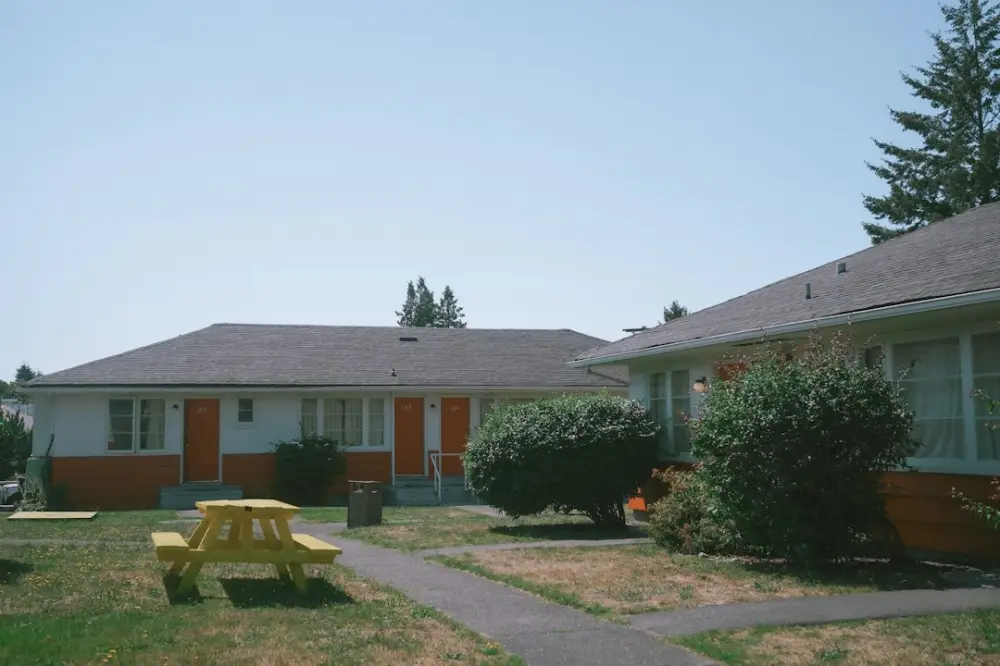
Small-scale Accessory Dwelling Units (ADUs) present a unique architectural challenge: they must provide the same comfort and safety as a full-sized home but within a significantly smaller footprint. Because these structures have a high surface-area-to-volume ratio, they are particularly vulnerable to external temperature fluctuations. Traditional stick-frame construction often relies on thin layers of synthetic insulation and plastic vapour barriers, which can lead to overheating in summer and rapid heat loss in winter. For homeowners looking to future-proof these secondary dwellings, a hempcrete thermal envelope offers a compelling alternative rooted in thermal mass and breathability.
The term 'thermal envelope' refers to the physical separator between the conditioned and unconditioned environment of a building. In an ADU, this envelope is the primary line of defence against rising global temperatures and volatile weather patterns. Hempcrete—a bio-composite material made from the woody core of the hemp plant (hurd) and a lime-based binder—functions as a monolithic wall system that combines insulation and thermal mass into a single layer. This dual-action performance is what makes it a frontrunner for climate-resilient small-scale builds.
Please note that the information provided in this article is for general educational purposes only and does not constitute professional architectural, engineering, or legal advice. Always consult with a qualified local contractor or structural engineer before beginning a construction project to ensure compliance with regional building codes and safety standards.
The Science of Thermal Inertia in Small Spaces
Traditional insulation materials like glass wool or polystyrene are designed solely to resist the flow of heat, measured by their R-value. While R-value is important, it does not account for thermal inertia—the ability of a material to store heat and release it slowly. In a small ADU, the air volume is low, meaning a blast of hot sun on a south-facing wall can spike the interior temperature in minutes. Hempcrete acts as a thermal battery, soaking up excess heat during the day and radiating it back into the living space as the outside air cools.
Regulating Diurnal Temperature Swings
This phase-shift effect is crucial for climate resilience. In regions experiencing heatwaves, a hempcrete envelope can keep the interior of an ADU significantly cooler without constant reliance on air conditioning. Because the material is installed in thick, continuous layers, it eliminates thermal bridging—the process where heat escapes through the wooden studs of a standard wall. This makes the adoption of hemp for ADUs a practical choice for those prioritising long-term energy efficiency and comfort.
Humidity Control and Passive Breathability
One of the greatest threats to the longevity of a small building is moisture. In airtight, modern ADUs, everyday activities like cooking or showering can lead to high humidity levels, which often result in condensation and mould growth behind the walls. Hempcrete is 'vapour permeable,' meaning it allows moisture to move through the wall rather than trapping it. The lime binder is naturally antiseptic and high in pH, which actively prevents the growth of fungi and bacteria.
Managing Internal Microclimates
The ability of hempcrete to regulate humidity is often referred to as 'hygroscopic' behaviour. When the air is damp, the walls absorb moisture; when the air is dry, they release it. This creates a stable internal environment that feels more comfortable for the occupant. This same principle of moisture management is why the material is also favoured for basement projects where dampness is a perennial concern. For an ADU, this means a healthier living space and a structure that won't rot from the inside out over decades of use.
Resilience Against Environmental Hazards
As climate change increases the frequency of wildfires and extreme storms, the material choices for secondary dwellings must be scrutinised for more than just their carbon footprint. Hempcrete is naturally fire-resistant. Because the hemp hurds are coated in lime, the material does not support combustion. In the event of a nearby fire, a hempcrete ADU provides a significant safety buffer compared to traditional timber-clad structures or those insulated with flammable foams.
Flood Resistance and Structural Integrity
While hempcrete is not a load-bearing material in the traditional sense (it is usually cast around a timber frame), it adds significant racking strength to a building. Furthermore, unlike drywall or fiberglass insulation, hempcrete can survive a flood event. If the walls become submerged, they do not lose their structural integrity or become a breeding ground for toxic mould. Once the water recedes, the lime-hemp mix can be allowed to dry out, often requiring only a fresh coat of lime plaster rather than a complete 'down-to-the-studs' renovation.
Practical Considerations for Small-Scale Construction
Building with hempcrete does require a shift in the construction timeline. Because the material is applied wet—either cast-in-situ or sprayed—it requires a drying period before the final finishes can be applied. For a small ADU, this might add several weeks to the schedule. However, many builders are now opting for pre-cast hempcrete blocks or panels, which arrive on-site dry and ready for immediate assembly, bypassing the curing time while retaining all the thermal benefits.
Carbon Sequestration and Sustainability
From a sustainability perspective, hempcrete is one of the few building materials that is carbon-negative. Industrial hemp grows rapidly, sequestering vast amounts of CO2 in its stalks. When mixed with lime and placed into a wall, that carbon is locked away for the life of the building. For homeowners aiming to build a 'Net Zero' ADU, the envelope itself does the heavy lifting of carbon offsetting, often offsetting the carbon footprint of the concrete foundation and roofing materials used in the rest of the build.
Cost-Benefit Analysis for the Homeowner
Initial material costs for hempcrete can be higher than standard mineral wool and drywall. However, the 'best' climate resilience is often defined by the total cost of ownership over 30 to 50 years. When you factor in the reduced need for complex HVAC systems, the lack of maintenance required for mould remediation, and the lower insurance premiums often associated with fire-resistant materials, the financial argument for hempcrete becomes much stronger.
Furthermore, the simplicity of the system—replacing layers of house wrap, sheathing, insulation, and vapour barriers with a single monolithic material—reduces the margin for error during construction. In small-scale ADUs where space is at a premium, the thick walls (typically 300mm or more) do take up slightly more of the footprint, but the trade-off is a structure that remains habitable and efficient regardless of the weather outside. By focusing on a high-performance envelope, owners can ensure their ADU remains a valuable asset for generations rather than a temporary structure that degrades under the pressures of a changing climate.